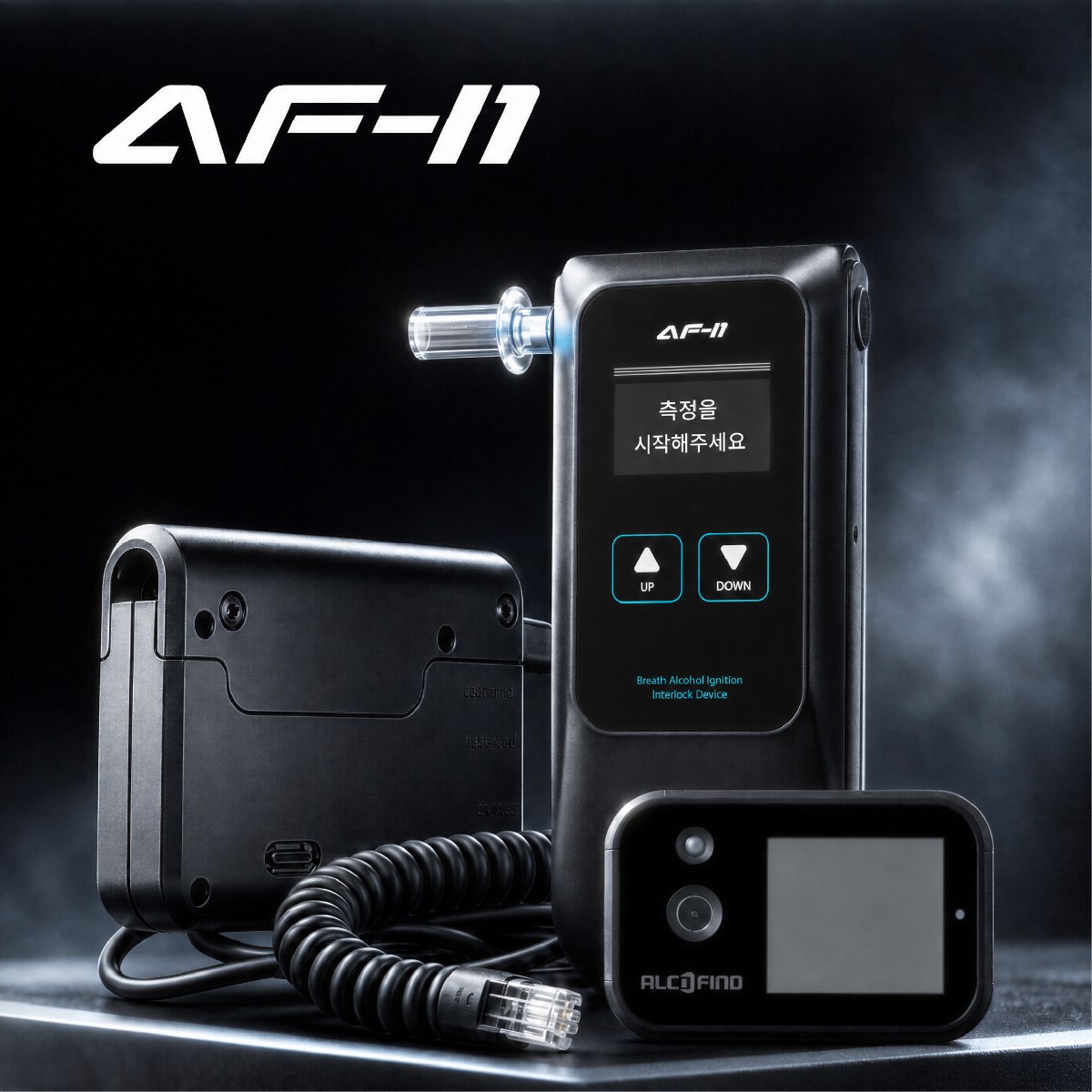
When public agencies or transport-related organizations buy breathalyzers or alcohol interlocks, they may require supporting documents such as certificates, test reports, and type approval materials in addition to price and performance. An alcohol interlock is a device that controls whether a vehicle can start based on the driver's breath test result and other inputs. Because required performance and submission documents for these devices and breathalyzers differ from tender to tender, it is hard to say that having certification materials issued abroad by itself meets the conditions of a Korean tender.
This matters not only to suppliers who want to offer, in a Korean tender, products that have been tested to overseas standards, but also to contracting agency staff who must review the submitted documents. The judgment centers not on the number of certification marks but on the type of evidence the tender notice requires, the product scope the document covers, and the extent to which the contracting agency accepts overseas materials. Overseas materials can serve as a basis for that tender only when all three conditions line up.
Start by reading the documents the tender notice requires
In reviewing a tender, it is better to break down the requirement sentences in the tender notice and specifications than to begin by explaining what the overseas certificate says. You need to distinguish whether the tender requires a particular Korean certification, requires a test report issued by a particular body, or allows equivalent documentation to be submitted. The phrase "holds certification" alone does not tell you the issuing body, the applicable standard, the test items, or the scope of validity.
Whether overseas materials can be used as evidence for a Korean requirement ultimately depends on whether the contracting agency accepts those materials for that item. If the tender notice says nothing about accepting overseas standards or equivalent documentation, it is hard for a supplier to state in its proposal that the requirement is met, even if it explains the technical similarity. When the wording is ambiguous, you can consider confirming acceptance through the query procedure set out in the tender.
Compare the document's subject and the delivered product separately
Even if the contracting agency can review overseas documents, you must confirm that the product actually proposed is the subject evaluated in those documents. Certificates and test reports may state the model name, components, accessories, software version, and applicable conditions. The fact that there are materials for the base model does not mean that a configuration including options, or another model with a similar name, falls within the same scope.
A translation helps with review in Korea but does not replace the original. Because a Korean summary may leave out restrictions in the annexes, it is better to check that the original document number, issue date, certificate, test report, and annexes link to one another. Calling an overseas certification by a different name in translation, as if it were a Korean certification, can mislead people about the nature of the material.
| What to compare | What to check | What to state in the proposal |
|---|---|---|
| Tender notice and specifications | Required documents and wording on accepting equivalent materials | The item number and what it requires |
| Document issued abroad | Issuing body, standard, document number, scope of application | How the original and the translation correspond |
| Product proposed for delivery | Model name, components, options, applicable conditions | Whether it matches the product covered by the document |
| Unclear points | Matters that cannot be judged from the tender notice alone | The query and the scope to which the reply applies |
Organizing things this way lets you explain separately whether overseas materials can be submitted and what those materials prove. It also makes it easier for evaluators to see which document links to each requirement in the tender, rather than looking at many certification marks.
International materials do not mean the same as Korean approval
The OIML-CS is a scheme through which measuring instrument manufacturers can establish evidence of conformity with the requirements of the relevant OIML Recommendations, and which can be used to reduce duplicate testing when obtaining national or regional type approval. OIML explains that its certificates and type evaluation reports can be used to obtain national or regional type approval, while also advising manufacturers to contact the authorities that use those materials about the actual approval procedures and conditions.
This may mean that international materials can be referred to or used in Korean procedures, but it does not mean they are automatically accepted in every Korean system and individual tender. Nor can you infer from this guidance alone that a particular breathalyzer or alcohol interlock is covered by OIML certification or holds it. After confirming the issuing body of the document you plan to submit and the range of instruments it covers, you need to judge which item of the tender it supports.
Set up a judgment sequence with a hypothetical tender
For instance, suppose an agency buying equipment with breath alcohol testing functions requires the submission of specific performance data and certification or equivalent documentation. The bidder has an overseas test report and a translated certificate, but the tender notice does not mention that overseas standard, and the certificate shows another model name similar to the proposed product.
The facts to observe are that it is unclear whether overseas documents are accepted as equivalent and that it has not been confirmed whether the proposed model is covered by the certificate. Rather than interpreting this as "we have overseas certification, so we meet the requirement," a possible action is to obtain the original certificate and annexes and check the differences in model and configuration. You can then state the document name, issuing body, and model covered, and ask whether it is accepted for a specific item of the tender.
The completion criterion is not the fact that overseas materials exist. The criterion is a state where the proposal explains, with the links shown, which tender item the contracting agency's reply applies to and the range of models and configurations covered by the document within which the product to be delivered falls. If the reply was limited to a specific item of a specific tender, it is right not to carry the same conclusion over unchanged to another agency's tender.
Record the link between requirements and evidence instead of claims
Rather than writing only "holds overseas certification" in the proposal, it is better to link, item by item, the tender requirement, the submitted document, and the scope the document proves. If a document covers only specific performance, you should avoid wording that goes beyond that scope, such as saying Korean registration is complete or that all tender requirements are met.
Overseas certification materials can be useful evidence in a Korean tender. However, their effect is judged within the particular tender where the issuing scope of the overseas materials, the match with the proposed product, and the range of documents the contracting agency accepts all line up. So rather than hiding where the materials fall short, presenting separately the additional materials to be submitted and the items that need a query reply reduces confusion during review.
※ This article provides general information and is not legal advice for any specific case. Consult a lawyer or other professional about your specific situation. Laws may be amended, so check the latest version at the Korea Law Information Center.