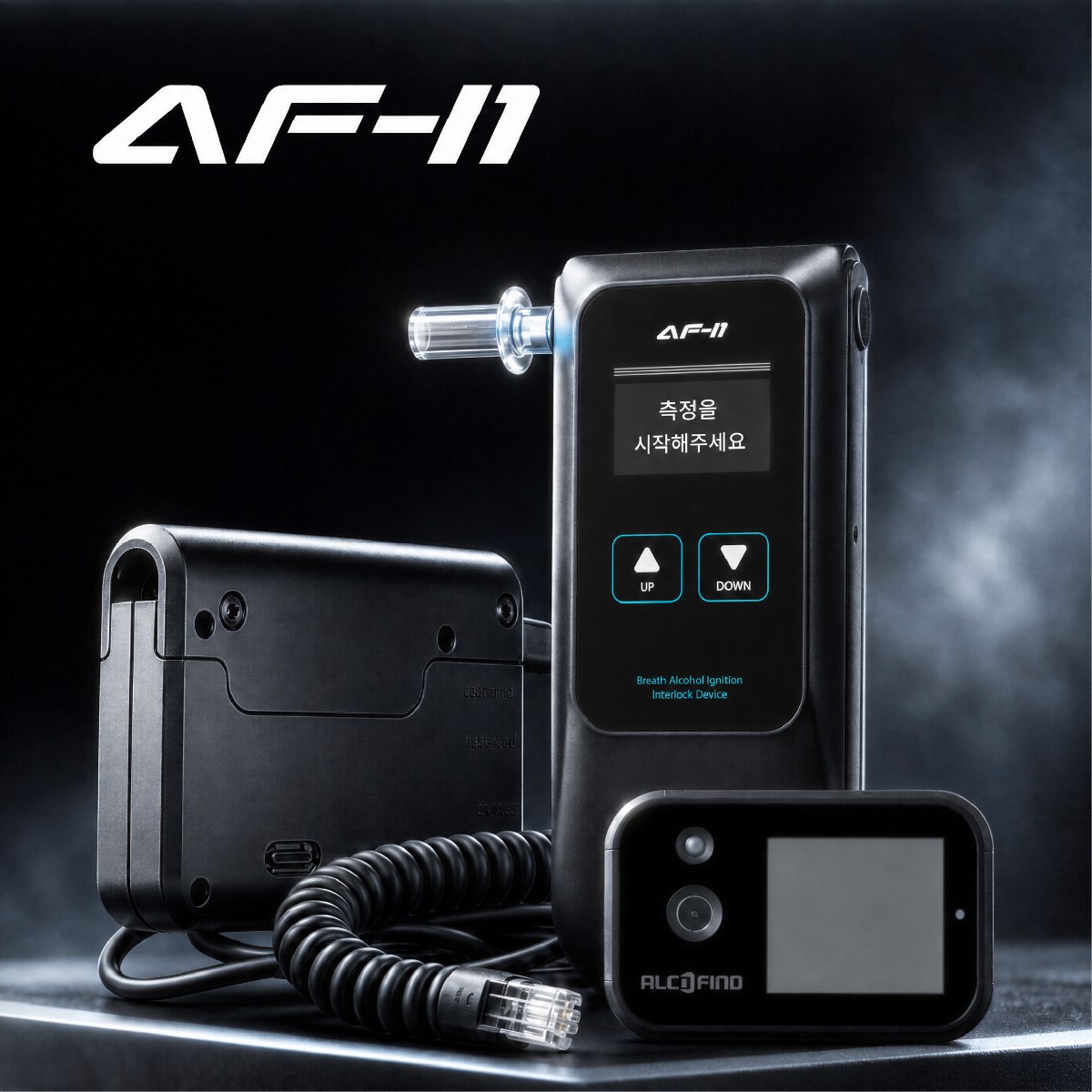
Safety managers or equipment staff who operate breathalyzers may find a device that was rained on or splashed with water and, because a scheduled calibration is coming up, want to request calibration right away. A breathalyzer is a device that displays readings based on a breath sample, so after exposure to water you first need to examine the condition of the device itself, separately from the usual calibration interval.
Calibration is the work of establishing, under specified conditions, the relationship between the values provided by a standard and the device's displayed values, along with the measurement uncertainty involved. It does not mean the same thing as verification, which confirms whether specified requirements are met, or as inspection and repair, which find the cause of a fault and fix parts. So for a wet device, rather than rushing calibration, the first step is to stop using it, report how it was exposed, and confirm whether an inspection is needed.
Why to take it out of on-site testing first
If you saw moisture on the device or learned that it was exposed to rain, it is better to remove that unit from on-site testing first. If you turn the power on repeatedly or run actual tests to see whether it is working, it can become even harder to tell what changes in condition occurred after the water exposure. In the equipment register, record the hold status and the date it occurred by model name or serial number, and consider assigning another unit whose readiness for use has been confirmed to the testing work.
To remove moisture, you must not heat the device on your own, blow strong air into it, wipe the inlet where the breath sample enters with tools, or take the device apart. Such actions can change its original condition or add other problems. Handling of power and batteries can also vary with the product's design, so it is appropriate to follow only what the user manual for your model and the manufacturer's guidance specify.
Separate visible facts from conditions you cannot know
Whether there were water droplets on the surface, whether the inside of the case was wet, and whether cracks or contamination are visible on the exterior are facts you can check and record. On the other hand, whether water got inside, whether the sensor or power-related parts were affected, and whether measurement condition is maintained cannot be determined from the exterior alone. That is why you should not turn the observation that the surface has dried into the conclusion that there is nothing wrong inside.
As a hypothetical example, suppose a breathalyzer in transit was exposed to rain and the person in charge later found moisture on the device's surface and inside the case. At the observation stage, record that "moisture was found after exposure to rain." Rather than immediately interpreting this as water ingress or a sensor fault, a possible action is to put the device on hold and inform the inspection provider of when and where the exposure occurred and how it was stored at the time. The completion criterion for this situation is when the inspection and any necessary follow-up procedures the provider advised are finished and it has been confirmed whether use can resume.
In the service request, the sequence of events matters more than guesses
The inspection provider needs to know what the device was exposed to and what was done afterward in order to judge how to handle it and what to check. An expression such as "it got a little wet" alone makes it hard to know whether it was rain exposure or a splash, or whether there were contaminants other than water. Passing on what you remember separately from what you do not know reduces the chance of presupposing a specific part replacement or calibration alone before the cause has been confirmed.
| What to organize | Facts to report | What not to conclude |
|---|---|---|
| How the water exposure happened | When and where it occurred, and the situation observed, such as rain or a splash | How far water got inside |
| Device identification | Model name, serial number, components sent with it | Handling criteria for other models |
| Current appearance and actual actions | Visible moisture, contamination, or damage, and the storage or power actions actually taken | Drying or cleaning work that was not done |
| What you are requesting | Whether an inspection is needed and how to ship the device | The conclusion that calibration alone will solve it |
If you know whether the substance it was exposed to was plain water or mixed with something else, report that too. If you do not know, it is better to write that it is unclear. When photos of the exterior are needed, photograph only what is visible; there is no need to turn the device on again to take them. If you agree before the service request how far additional work may proceed and how cost estimates and approvals will be handled, it is easier to continue decision-making once the inspection results are in.
Do not treat inspection and repair as the same work as calibration
What is needed after water exposure may be an inspection that examines the device's actual condition, and, if a problem is confirmed, a repair. Calibration is work that deals with the relationship between a standard and displayed values, so it does not automatically mean the same as removing moisture, cleaning, repair, or a judgment that requirements are met. When repair or adjustment has been carried out, separate guidance may be needed on how to handle the measurement condition afterward.
So even if a calibration date is close, the right flow is to first confirm whether an inspection is needed and then decide, based on the inspection or repair results, whether calibration or another check is required. An explanation that the exterior is clean after the work is not enough to say the measurement condition has also been confirmed. This is also why you should check in the documents whether the work performed was inspection, repair, or calibration.
Manage model-specific guidance and shipping status together
Handling conditions are not the same for every product. DATECH's official download center provides Korean manuals for some products and application materials for calibration and repair, so you can use them after confirming that a document applies to the model you have. You must not apply water-resistance descriptions for other products, or experience with using a case, as evidence of the current device's performance.
When shipping, follow the method the inspection provider and carrier advise, and keep a list of the unit and components enclosed. If you do not manage devices exposed to water in the same batch as normal devices, it is easier to distinguish each device's condition and handling results after they are received. When the device comes back, record the pre-shipment hold separately from the routine calibration history, and pass on to the people who actually do the testing whether use can resume and any remaining management items before deciding whether to put it back into operation.