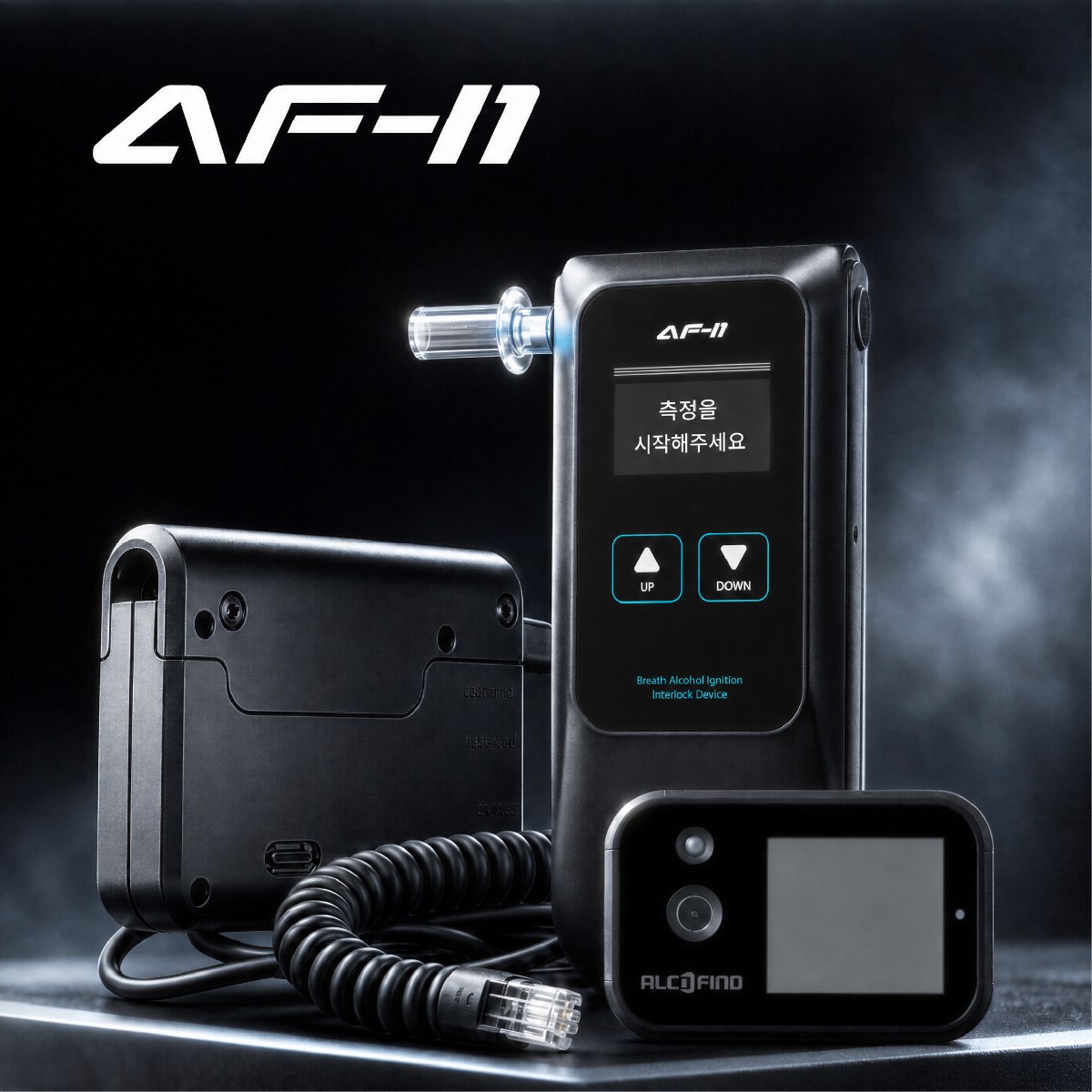
At places where safety procedures follow right after arrival for work, such as manufacturing, construction, and transport sites, the order of alcohol checks must be made clear to foreign workers. An alcohol check here means a worksite procedure that requires confirming alcohol status by a breath test or similar method before arriving for work or starting a task. When shift teams arrive all at once, the queue at the test location, the device screen, and the manager's spoken instructions overlap, so simply translating a Korean notice and posting it may not be enough.
For multilingual guidance to actually work, workers need to know what to do when it is their turn, what the waiting, error, and completion indications on the screen each mean, and how to request an explanation of their individual result. It is better to prepare separately for confirming that a translation means the same as the original and for confirming that people can turn it into action on site.
Break the notice into a sequence of actions
Before starting translation, first edit the Korean original so that each step contains only one action. For example, divide it into "go to the test location," "wait until the guidance signal appears," "check the screen display," and "if an error appears, report it to the designated place." If several instructions are mixed into one long sentence, the translation itself may read naturally, but it becomes hard on site to find the action to take right now.
You can place the same number and the same picture at the same step across languages. However, color or pictures alone can hardly be said to convey the meaning fully. Waiting, completion, and the next action after an error are easier to tell apart when short text and symbols are shown together.
Also match the expressions on the guidance signs with those that actually appear on the device screen. If the notice says "check complete" but the screen shows different wording, workers find it hard to decide whether they may move on or should wait for further instructions. You can compare the on-site device screen, the entrance signage, and the words managers use, and organize them so that the same state is described with the same words.
Separate translation review from comprehension checks
Translation review is the work of checking that the meaning of the original has not been dropped or changed. A comprehension check is the work of seeing whether someone who read the guidance can explain the next action in their own words or demonstrate the steps in order. Even if a translation is grammatically correct, it may not lead to action if the site terms are unfamiliar or it does not match the screen wording.
As a hypothetical example, suppose that at one worksite two screen indications were translated similarly into a particular language. If a worker who saw the first indication tried to go straight to the work area, the manager can observe that the indication may have been understood as test completion. If its actual meaning is to wait or receive further guidance, a possible action is to revise the two expressions so they are distinct and have workers explain what they should do on that screen.
The completion criterion for this action is not reprinting the translation. Users of that language must be able to state the difference between when they must wait, when they must ask for help, and when they may move on. If explanations differ from person to person, do not just revise the sentences; adjust the numbers, pictures, posting locations, and managers' spoken guidance together.
Separate shared guidance from explaining individual results
Information everyone needs, such as the test location, the order of lining up, and how to ask for help when an error occurs, can be provided as shared multilingual guidance. On the other hand, an individual's test result and the explanation that follows are information to be given only to the person who needs it. Translating the notice does not mean the translator must also interpret individual results in the public queue.
If you ask a nearby coworker to interpret just because they speak the same language, result information the person does not want shared may become known. The worksite can decide in advance what language support to use and where to give the explanation when an individual explanation is needed. It is appropriate to give the person interpreting or explaining only what is needed to guide the procedure.
| Situation that needs guidance | What to show workers | What to check on site |
|---|---|---|
| Waiting before the test | Test location, order of lining up, waiting signal | Whether they can explain where to wait |
| When an error appears on screen | How to ask for help without moving on | Whether they can tell the error indication from the completion indication |
| When an individual explanation is needed | How to request language support privately | Whether people nearby cannot hear the result |
The items in the table are not a list of phrases that must all go into the guidance; they divide up the situations where action tends to break down on site. For error guidance in particular, rather than writing broadly, such as "come to us if there's a problem," it is easier to connect to action if you write briefly which indication means you should not move on and where to report.
Change the posted materials in every language together
If only the Korean original changes while old translations remain at the night entrance or in the break room, different procedures are communicated within the same worksite. Do not just check whether the file was saved anew; you need to look together at which language version is posted at which test location and whether training materials and the guidance next to the device were replaced at the same time.
A management list by language can record the language used, when the Korean original was revised, whether the translation was reviewed, where it is posted, and who confirmed the replacement on site. This is not to multiply documents but a way to find situations where the day entrance has been updated but the old guidance remains at the night shift's test location. It is also better to judge completion not by the revision date of the Korean document but by when each language version was reflected on site.
If procedure wording must be changed urgently but the new translation has not yet been reviewed, you can consider presenting already-confirmed short action instructions and where to request language support, rather than immediately distributing an unverified long translation. This is also why the fact that a machine translation has been produced does not mean communication on site is finished.
Align what managers say with the same procedure
If the posted materials have been updated but managers use different expressions on site, workers become confused about which guidance to follow. Managers need to be able to explain in short, consistent wording, for example, whom to tell and not to move on when a particular screen appears. At sites where several managers are deployed at shift change, aligning this explanatory wording in advance is important.
The completion criterion for multilingual alcohol check guidance is not long, detailed sentences. The guidance helps site operations when users of each language can explain their own check sequence and what to do when an error occurs, can request private support when an individual explanation is needed, and when the posted materials and managers' words point to the same procedure.