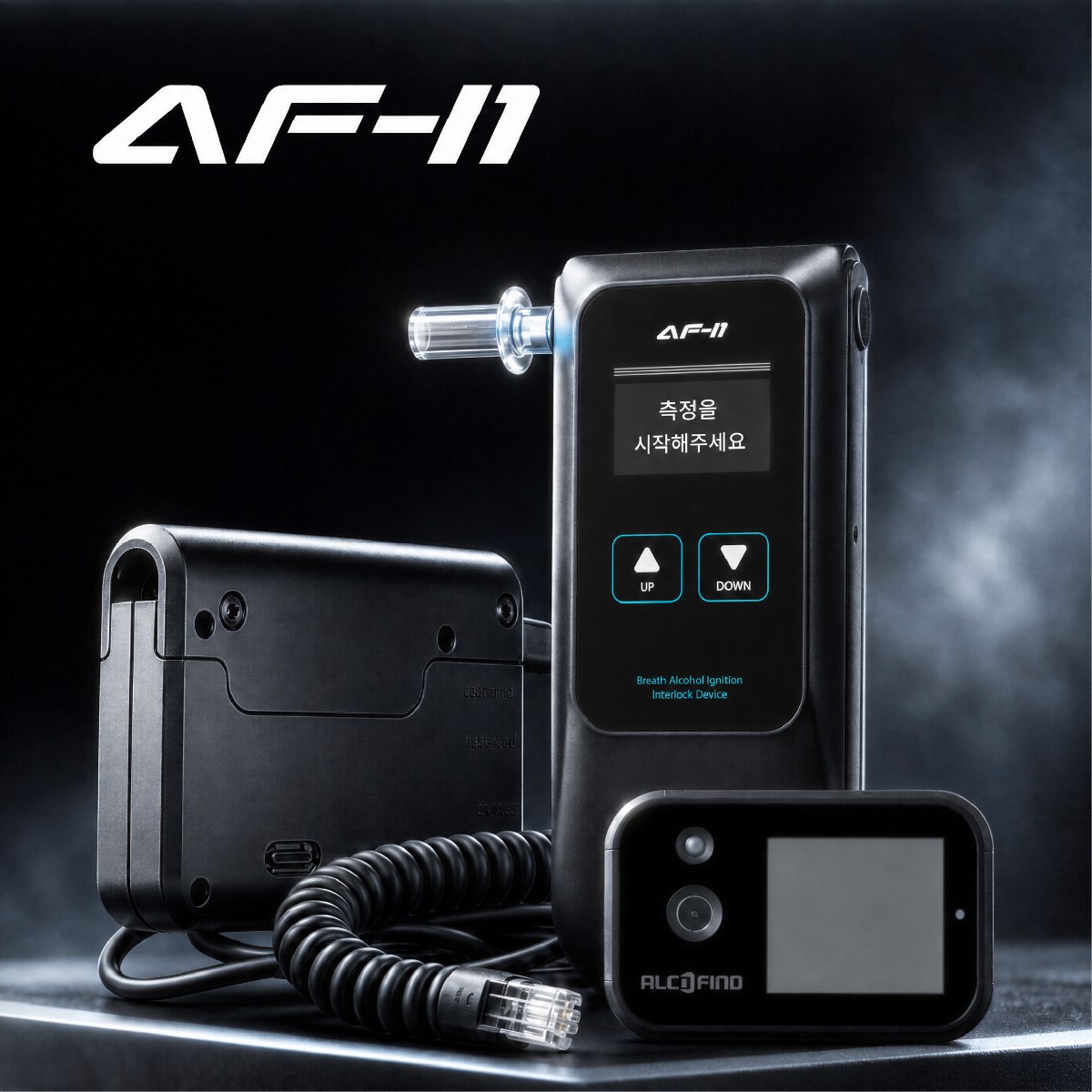
A breathalyzer is a device that measures the alcohol in a person's exhaled breath. When a workplace or agency runs one as shared equipment, wiping its surface, tidying its storage case, and moving it to other locations happen again and again. If the device then smells of cleaner in an unusual way, you need to treat the question of how clean it looks separately from the question of whether it can be assigned to testing work again.
The smell may be left over from the storage case or carrying bag, or it may be a clue about the environment the device was in during recent cleaning or storage. However, the smell alone cannot tell you whether a particular substance got inside the device or whether readings have changed. The decision to resume use should be based not on the impression that the smell has faded, but on whether you have set out the exposure history and finished the necessary handling according to the model's handling instructions or inspection results.
Separate it from testing work as soon as you notice
Keep a device that has an unusual cleaner smell apart from devices waiting to be used for testing. If it is shared equipment, make the storage case, charging location, and checkout list all show its current status, such as "inspection decision pending." This is not because the smell means a fault, but to prevent test results from a device whose condition is unconfirmed from being used in work decisions.
It is best not to use air fresheners or strongly scented products to get rid of the smell, wipe it again with an unknown cleaning liquid, or apply heat. Doing so can make it even less clear what environment the device was originally exposed to and what was done to it afterward. Putting a liquid or gas into the part that receives breath to test the reaction, or repeatedly putting your nose close to that part to check the smell, cannot serve as a way to judge its condition either.
Record the exposure history separately from what you can see
What you need when requesting an inspection is not the conclusion "it smells of cleaner" but facts about what the device went through. Set out in time order who cleaned the recent storage place and when, whether the device was in the same box or cabinet as cleaning supplies, and which bag it was put in during transport. If the cleaner container or work records remain, keep the product name and the information on the container together, but do not guess at unknown ingredients and write them down.
Separately from the exposure history, also record its current visible condition. Note what you checked directly, such as where the smell is noticeable, whether the exterior is wet or soiled, and the screen and power indications. If you have already wiped the surface or moved it elsewhere, add the materials used and the time and area of the work. This distinction lets the people doing the inspection tell the condition first observed from the condition changed later during handling.
| What to set out | Facts to record | Why it is used for the next decision |
|---|---|---|
| Recent storage and cleaning | Storage place, cleaning time, items stored with it | To explain the possible exposure route |
| Identifiable cleaning supplies | Product name, container labeling, whether there are photos | To provide clues for checking against handling instructions |
| Current state of the device | Where the smell is, exterior, screen and power indications | To separate observed facts from guesses about the cause |
| Actions already taken | Materials and areas wiped, time it was moved | To understand why the condition may differ before and after inspection |
Completion criteria in a hypothetical case
For example, suppose a shared breathalyzer was stored in a cabinet that also held cleaning tools, and when it was taken out the next day it smelled of cleaner. The confirmed observations are that the cabinet had been cleaned, there were no visible traces of liquid on the device's exterior, and the smell remained. On this basis, you cannot interpret that a specific ingredient got inside or that readings have changed.
A possible action is to take the device out of testing work, set out the materials used to clean the cabinet and how long the device was stored there, and then check the handling documents for that model and the inspection request channel. When you contact them, give the model name and serial number, where the smell was, the storage and cleaning history, and the wiping already done. The completion standard in this case is not that the smell disappears. It is confirmation, based on the handling advised or the inspection result, that the device can be reassigned to testing work.
Narrow the decision to that model's handling scope
Breathalyzers can differ in configuration and handling instructions by model, so do not apply another device's cleaning method as is. DATECH's official Downloads center posts product materials and Korean-language manuals for some models. The appropriate order is to first find the document for the model name of the device you own and check whether it includes guidance on surface cleaning and storage.
Do not extend the use of chemicals not mentioned in the documents, internal access, or disassembly into steps for resuming use. Even if there is guidance on wiping the exterior, that does not mean the part that receives breath or the internal components can be treated the same way. If the exposure situation is hard to judge from the documents alone, you can pass on the device's condition to the manufacturer's support or inspection request channel, based on the facts set out above, and confirm what action is needed.
Do not confuse calibration, adjustment, or repair with resuming use
Calibration is a procedure that, under specified conditions, establishes the relationship between the values provided by measurement standards and the device's indications, along with the associated uncertainty. Calibration is therefore distinct from verification, which confirms whether required performance is met, and from adjustment, which changes the device so that it gives specified indications. After repair or adjustment, recalibration may be needed, and a calibration result alone does not automatically decide whether a device that smelled of cleaner is fit to handle or can be put back into use.
When you hand the device over for inspection, it is better not to hide the fact that it smelled and its storage and cleaning history. If further checks, repair, or part replacement are advised, decide separately what will actually be done and the scope that needs cost approval. If you receive guidance or a result saying use can resume, change the device's status label and the checkout list together. If further action remains, keep it listed as under inspection in both places. This reduces cases where a device is used again before confirmation simply because someone on site felt the smell had faded.